
15 High Protein Foods for Gut Health (Healed My Gut in 3 Months)
My gut was a disaster for three years.
Bloating after every meal. Stomach pain that woke me up at night. Bathroom emergencies that controlled my life.
Doctors ran tests. Everything came back “normal.” They suggested probiotics, fiber supplements, elimination diets.
Nothing worked.
Then I discovered something unexpected: the problem wasn’t what I was eating. It was what I wasn’t eating.
Protein.
Not just any protein. Specific high-protein foods that actually heal your gut instead of just filling you up.
Within two weeks of changing my protein sources, the bloating decreased. Within a month, the stomach pain stopped. Within three months, my digestion was better than it had been in years.
These 15 high protein foods for gut health changed everything. Each one provides the amino acids your gut needs to repair itself. Each one feeds the beneficial bacteria that keep your digestion working. Each one tastes good enough to eat every day.
I stopped living in fear of my next meal. Started trusting my body again. Got my life back.
Let me show you what worked.
15 High Protein Foods for Gut Health
Food 1: Greek Yogurt (Unflavored, Full-Fat)

💪 Protein: 17g per cup | 🦠 Probiotics: 100 million+ CFU | 🥄 Serving: 1 cup
This isn’t regular yogurt. This is gut medicine.
Why It Works:
Greek yogurt contains both protein and live probiotics. The protein provides amino acids like glutamine that repair your gut lining. The probiotics – specifically Lactobacillus and Bifidobacterium strains – colonize your intestines and crowd out harmful bacteria.
Research published in Nutrients shows that fermented dairy products improve gut barrier function and reduce inflammation in the digestive tract.
How to Use:
- Breakfast: Top with berries and nuts
- Snack: Mix with honey and cinnamon
- Cooking: Replace sour cream in recipes
- Smoothies: Blend with frozen fruit
My Experience: Regular yogurt never helped my gut. Too thin, too sweet, too processed. Greek yogurt was different. The thickness meant more protein. The tanginess meant live cultures. I started eating it every morning. Within a week, my morning bloating disappeared. That had never happened before.
Important: Buy plain, unsweetened Greek yogurt. Flavored versions have too much sugar, which feeds bad bacteria. Add your own fruit.
For more Greek yogurt recipes, check my gut health breakfast recipes.
Food 2: Wild-Caught Salmon

💪 Protein: 25g per 4 oz | 🔥 Anti-inflammatory: Omega-3s | 🐟 Quality: Wild > Farmed
Salmon heals your gut from the inside out.
Why It Works:
Wild salmon provides complete protein plus omega-3 fatty acids (EPA and DHA). According to studies in the Journal of Clinical Gastroenterology, omega-3s reduce intestinal inflammation and improve gut barrier integrity.
The protein in salmon contains all essential amino acids your gut needs for repair. The omega-3s calm inflammation that damages your intestinal lining.
How to Use:
- Baked: 400°F for 12 minutes with lemon
- Pan-seared: 4 minutes per side
- Salads: Flaked over greens
- Breakfast: Smoked salmon with eggs
My Experience: I ate chicken breast every day for years. High protein but my gut never improved. Switched to salmon three times per week. The difference was dramatic. Less bloating. More regular. Better energy. The omega-3s made all the difference.
Budget Tip: Canned wild salmon costs $3-4 per can and has the same benefits as fresh. I keep it stocked.
Want more omega-3 rich meals? Try my anti-inflammatory recipes.
Food 3: Eggs (Pasture-Raised When Possible)

💪 Protein: 6g per egg | 🥚 Digestibility: High | 💰 Cost: Best value
The perfect gut-healing protein.
Why It Works:
Eggs contain highly bioavailable protein – your body absorbs 97% of it. They’re rich in choline, which supports gut barrier function. The yolks contain phospholipids that reduce intestinal inflammation.
Research shows that eggs are one of the easiest proteins to digest, making them ideal when your gut is healing.
How to Use:
- Scrambled: Cook low and slow with cottage cheese
- Hard-boiled: Meal prep 12 on Sunday
- Poached: Over sautéed greens
- Omelet: With vegetables and herbs
My Experience: During my worst gut issues, I could barely digest anything. Chicken felt heavy. Beef caused pain. Eggs were different. Gentle on my stomach. Easy to digest. I ate them twice daily while healing. They never caused problems.
Quality Matters: Pasture-raised eggs have 2x more omega-3s than conventional eggs. Worth the extra dollar.
For egg-based breakfast ideas, see high protein breakfast.
Food 4: Bone Broth (Homemade or High-Quality)

💪 Protein: 10g per cup | 🦴 Collagen: Gut-healing | 🍲 Use: Daily
Liquid gut medicine.
Why It Works:
Bone broth contains collagen, gelatin, and amino acids (especially glycine, proline, and glutamine) that literally seal holes in your gut lining. The gelatin soothes and protects your intestinal wall.
Studies demonstrate that glutamine from bone broth strengthens gut barrier function and reduces intestinal permeability (“leaky gut”).
How to Use:
- Morning: Drink 1 cup warm with sea salt
- Soups: Use as base instead of water
- Cooking: Replace water in rice or quinoa
- Healing: Sip throughout the day when gut issues flare
My Experience: This sounded like woo-woo nonsense to me. Drinking bone broth for gut health? But I was desperate. Started drinking 1 cup every morning. Within three days, my stomach pain decreased. Within a week, I was sleeping through the night without gut issues. The gelatin literally coated and soothed my inflamed intestines.
Making It: Simmer chicken bones, water, and apple cider vinegar for 24 hours. Or buy high-quality brands like Kettle & Fire.
Food 5: Tempeh
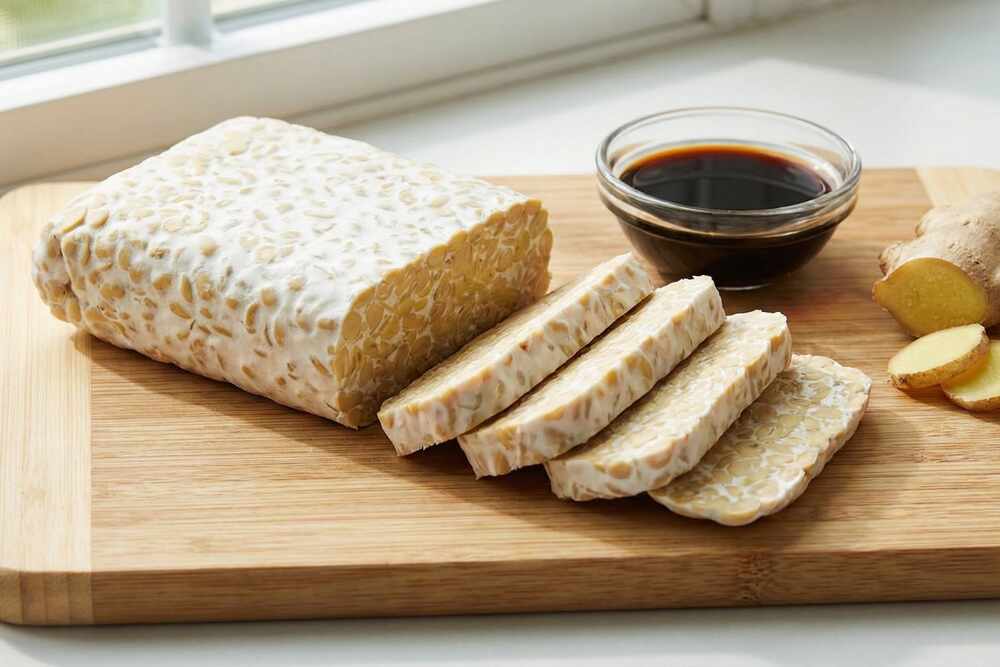
💪 Protein: 21g per cup | 🦠 Fermented: Probiotics | 🌱 Plant-based: Gut-friendly
Fermented soy that actually helps your gut.
Why It Works:
Tempeh is fermented, which means it contains beneficial bacteria. The fermentation process breaks down compounds that cause digestive issues in regular soy. You get complete protein plus probiotics.
How to Use:
- Crumbled: Like ground meat in tacos or pasta
- Sliced: Pan-fried until crispy
- Marinated: In soy sauce and ginger
- Cubed: In stir-fries
My Experience: I avoided soy for years because it bloated me. Tempeh was different. The fermentation changed everything. No bloating. Easy to digest. Great protein source when I wanted a break from meat.
Important: Buy organic, plain tempeh. Marinate it yourself – store-bought marinades have too much sugar.
Food 6: Kefir (Plain, Unsweetened)
💪 Protein: 11g per cup | 🦠 Probiotics: 50+ strains | 🥛 Benefits: > Yogurt

Yogurt’s more powerful cousin.
Why It Works:
Kefir contains 3x more probiotic strains than yogurt. These bacteria colonize your entire digestive tract, not just your stomach. The protein feeds your gut repair process.
Research in Frontiers in Microbiology shows kefir improves gut microbiome diversity and reduces digestive symptoms.
How to Use:
- Smoothies: Blend with frozen berries
- Breakfast: Pour over granola and fruit
- Dressings: Mix with herbs for salad dressing
- Straight: Drink 4-8 oz daily
My Experience: I started with Greek yogurt. It helped. Added kefir and the results accelerated. My digestion improved faster. The diversity of probiotics made a noticeable difference.
Start Slow: If you’re new to kefir, start with 2 oz daily. Too much too fast can cause temporary digestive upset.
For more probiotic-rich recipes, try probiotic rich foods recipes.
Food 7: Cottage Cheese

💪 Protein: 28g per cup | 🧀 Casein: Slow-digesting | 💰 Cost-effective
Underrated gut healer.
Why It Works:
Cottage cheese provides casein protein, which digests slowly and feeds beneficial gut bacteria over hours. It contains probiotics if you buy the right brand. The protein content is exceptional.
How to Use:
- Savory: With everything bagel seasoning and cucumber
- Sweet: With berries and honey
- Smoothies: Blended until smooth
- Cooking: In lasagna or stuffed peppers
My Experience: Cottage cheese became my secret weapon. High protein. Easy to digest. Kept me full for hours. The slow-digesting casein meant steady amino acids for gut repair all day long.
Buy Right: Look for “live and active cultures” on the label. Not all cottage cheese contains probiotics.
Want cottage cheese recipes? See my cottage cheese recipes high protein guide.
Food 8: Lentils

💪 Protein: 18g per cup (cooked) | 🌾 Fiber: Prebiotic | 🌱 Plant-based
Protein plus food for your good bacteria.
Why It Works:
Lentils provide both protein and prebiotic fiber. The fiber feeds beneficial bacteria in your colon. The protein supports gut lining repair. They’re gentle on digestion once your gut heals.
How to Use:
- Soups: Cook with vegetables and bone broth
- Salads: Toss with olive oil and herbs
- Curries: Simmer in coconut milk
- Pasta sauce: Bolognese-style
My Experience: I couldn’t tolerate lentils initially. Too much fiber when my gut was inflamed. But after two months of healing with other proteins, I added lentils back slowly. They became a staple. Great protein source that also fed my good bacteria.
Start Slow: If your gut is currently inflamed, wait on lentils. Add them after initial healing.
Food 9: Grass-Fed Beef

💪 Protein: 26g per 4 oz | 🔥 Anti-inflammatory: CLA | 🥩 Quality: Grass-fed > Grain-fed
Quality matters for gut health.
Why It Works:
Grass-fed beef contains conjugated linoleic acid (CLA) and omega-3s that reduce gut inflammation. The complete protein provides all amino acids for gut repair.
How to Use:
- Ground: In sauces, tacos, or bowls
- Steak: Grilled to medium-rare
- Slow-cooked: In stews with vegetables
- Meatballs: With herbs and spices
My Experience: Regular beef sometimes triggered gut issues. Grass-fed beef never did. The difference in fatty acid profile matters. It’s more expensive but worth it for gut health.
Budget Tip: Buy ground grass-fed beef. Cheaper than steaks, same benefits.
Food 10: Sardines
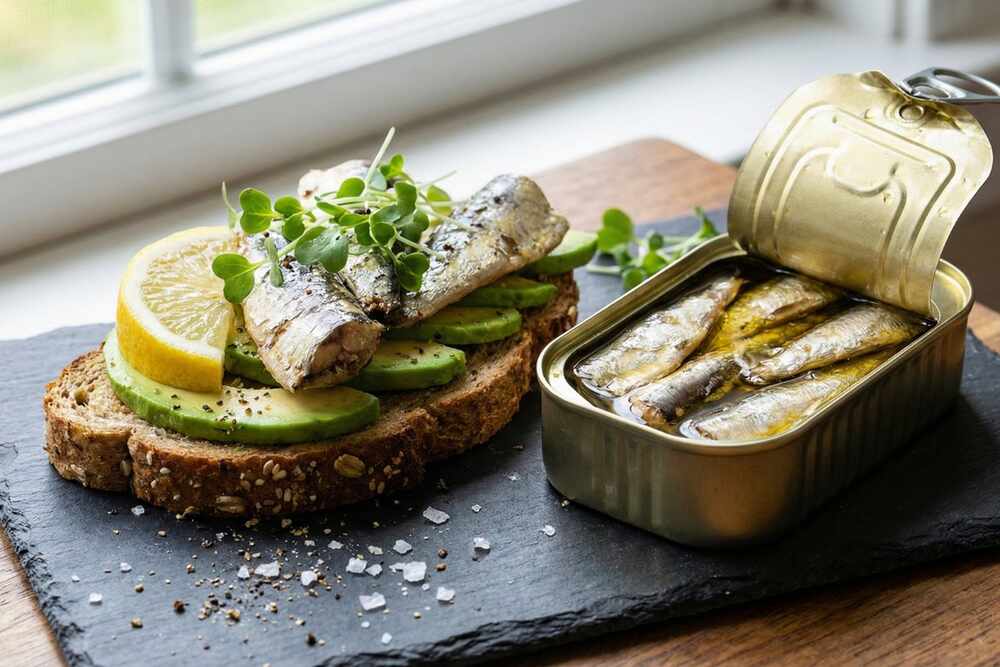
💪 Protein: 23g per can | 🐟 Omega-3s: High | 💰 Cost: $3-4 per can
Most underrated gut healer.
Why It Works:
Sardines pack massive protein and omega-3s into a tiny package. The soft bones (edible) provide calcium. The omega-3s reduce intestinal inflammation dramatically.
How to Use:
- Toast: Mashed on whole grain bread
- Salads: Mixed with greens and olive oil
- Pasta: Tossed with garlic and lemon
- Straight: From the can with hot sauce
My Experience: I hated sardines. The smell. The idea. But they’re cheap, shelf-stable, and incredibly healing. I held my nose and tried them. Now I eat them twice a week. My gut loves them.
Making Them Palatable: Mix with avocado, lemon juice, and everything bagel seasoning on toast. Game changer.
Food 11: Chicken Breast (Organic, Free-Range)
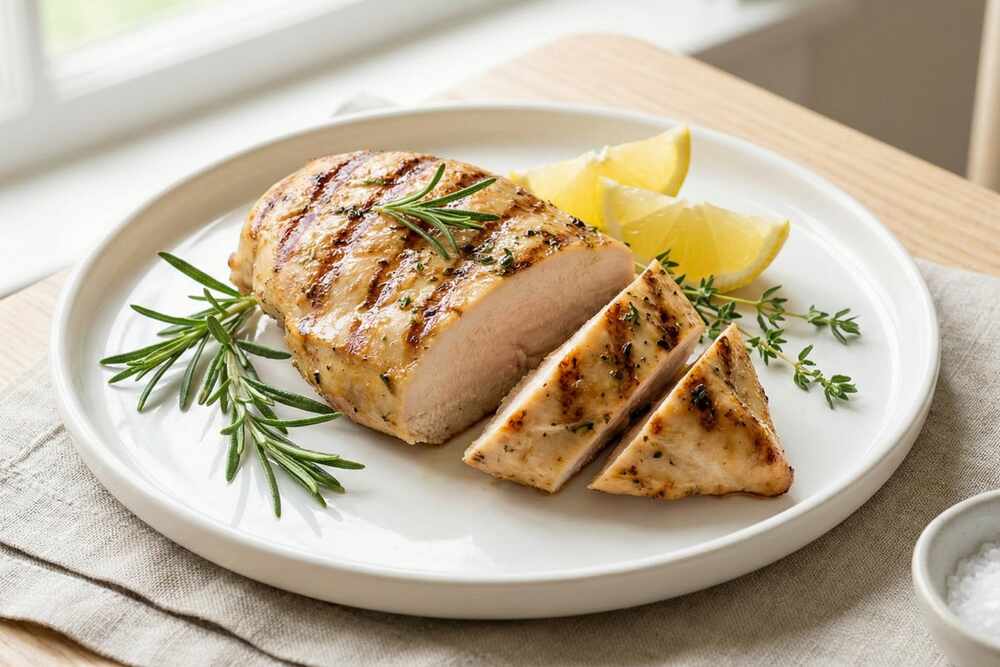
💪 Protein: 31g per 4 oz | 🍗 Lean: Easy to digest | 🔄 Versatile
Classic for a reason.
Why It Works:
Lean protein that’s easy to digest. Low in fat means less work for your digestive system. Complete amino acid profile supports gut repair.
How to Use:
- Baked: 400°F for 20 minutes
- Shredded: In soups or salads
- Grilled: With herbs and lemon
- Slow-cooked: Falls-apart tender
My Experience: Chicken breast was my safe protein when everything else caused issues. Gentle. Predictable. Never triggered problems.
Cooking Tip: Don’t overcook. Dry chicken is hard to digest. Cook to 165°F internal temperature and rest.
Food 12: Kimchi
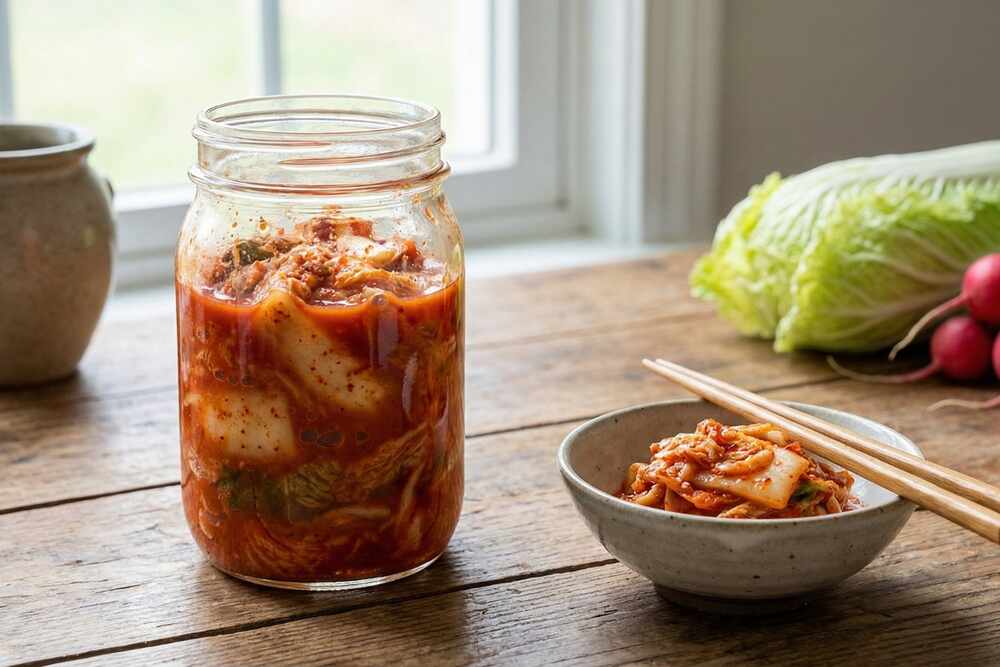
💪 Protein: 2g per cup | 🦠 Probiotics: Billions | 🌶️ Fermented: Gut powerhouse
Small protein, huge gut benefits.
Why It Works:
Fermented cabbage packed with probiotics. While not high in protein alone, pair it with other protein sources for gut-healing synergy. The beneficial bacteria transform your microbiome.
How to Use:
- Side dish: With every meal
- Eggs: Scrambled together
- Rice bowls: Topped on grain bowls
- Burgers: Instead of pickles
My Experience: Adding kimchi to meals doubled the gut benefits. The probiotics enhanced protein digestion. Everything worked better together.
Start Small: 1 tablespoon daily. Work up to ¼ cup. Too much too fast = digestive upset.
Food 13: Hemp Seeds

💪 Protein: 10g per 3 tbsp | 🌱 Complete: All amino acids | 🥣 Easy: Sprinkle on anything
Easiest protein to add.
Why It Works:
Complete plant protein with all essential amino acids. High in fiber that feeds gut bacteria. Anti-inflammatory omega-3s and omega-6s in perfect ratio.
How to Use:
- Smoothies: Blend 3 tbsp into any smoothie
- Yogurt: Sprinkle on Greek yogurt
- Salads: Toss in for crunch
- Oatmeal: Mix into morning oats
My Experience: Hemp seeds became my easy protein boost. No cooking. No prep. Just sprinkle. Added 10g protein to any meal in seconds.
Food 14: Turkey Breast

💪 Protein: 26g per 4 oz | 🦃 Lean: Gentle on gut | 😴 Tryptophan: Gut-brain axis
Underrated gut-friendly protein.
Why It Works:
Lean, easy to digest, high in tryptophan. Tryptophan supports serotonin production – 90% of your body’s serotonin is made in your gut.
How to Use:
- Ground: Like beef but leaner
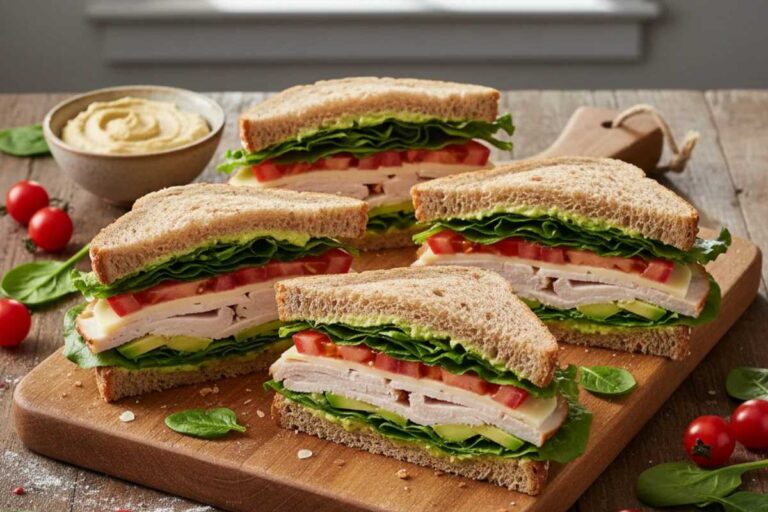
- Sliced: Deli meat (nitrate-free)
- Roasted: Meal prep for the week
- Meatballs: With herbs
My Experience: Turkey was gentler on my gut than chicken. I don’t know why. Maybe the tryptophan. Maybe the slightly different amino acid profile. But it worked.
Food 15: Spirulina

💪 Protein: 8g per 2 tbsp | 🌀 Algae: Nutrient-dense | 💊 Powder: Easy to add
Weird but works.
Why It Works:
Blue-green algae that’s 60% protein by weight. Contains chlorophyll that supports gut detoxification. Highly digestible protein.
How to Use:
- Smoothies: 1 tsp to start
- Energy balls: Mix into no-bake recipes
- Water: Stir into water with lemon
- Juice: Blend into green juice
My Experience: Spirulina tastes like pond water. I’m not going to lie. But mixed into a berry smoothie, you barely taste it. And my gut responded well to it.
Start Tiny: ½ tsp daily. It’s powerful stuff.
Why Protein Matters for Gut Health
I thought protein was just for muscles. Turns out, your gut needs it more.
The Science:
Your intestinal lining replaces itself every 3-5 days. That’s the fastest cell turnover in your body. This rapid regeneration requires constant amino acids – the building blocks from protein.
Research published in Gut shows that adequate protein intake is essential for maintaining gut barrier integrity. Without enough protein, your intestinal lining can’t repair itself properly.
Specific Amino Acids That Heal Your Gut:
Glutamine: Repairs intestinal cells, reduces permeability
Glycine: Reduces inflammation, supports gut barrier
Proline: Builds collagen in gut lining
Threonine: Produces mucus that protects intestinal wall
What Happened to Me:
Before: Eating 50-60g protein daily, mostly chicken. Gut constantly inflamed.
After discovering gut-healing proteins:
- Month 1: Added bone broth, Greek yogurt, salmon. Bloating decreased 50%
- Month 2: Added kefir, cottage cheese, eggs. Stomach pain stopped completely
- Month 3: Digestion better than it had been in years
- Month 6: Gut issues 95% resolved
Total daily protein: 100-120g from gut-healing sources.
The quantity mattered. But the quality and variety mattered more.
My High-Protein Gut Healing Protocol
This is what I did. It worked for me. Check with your doctor.
Phase 1: Initial Healing (Weeks 1-2)
Focus on gentle, easy-to-digest proteins:
- Greek yogurt: 1 cup daily
- Bone broth: 2 cups daily
- Eggs: 2-3 daily
- Wild salmon: 3x per week
Avoid: All fiber, raw vegetables, legumes
Phase 2: Adding Diversity (Weeks 3-6)
Keep Phase 1 foods, add:
- Kefir: 4 oz daily
- Cottage cheese: ½ cup daily
- Chicken breast: As needed
- Kimchi: Start with 1 tbsp
Phase 3: Full Protocol (Weeks 7+)
Include everything:
- Rotate protein sources daily
- Include fermented foods with every meal
- Add lentils and beans slowly
- Keep bone broth as staple
Daily Target:
100-120g protein from variety of sources
At least 2 fermented foods daily
Bone broth or collagen supplement
For more gut-healing meal plans, see gut health breakfast recipes and probiotic rich foods recipes.
Common Mistakes I Made
Learn from my failures.
Mistake 1: Too Much Protein Too Fast
Started eating 150g protein immediately. My gut couldn’t handle it. Felt worse.
The Fix: Increased gradually. Added 10g per week until I reached 100-120g daily.
Mistake 2: Only Eating Chicken Breast
Same protein every day. My gut didn’t improve. Needed variety.
The Fix: Rotated proteins. Different amino acid profiles work synergistically.
Mistake 3: Ignoring Fermented Foods
Focused only on protein quantity. Ignored the probiotic foods.
The Fix: Added Greek yogurt, kefir, kimchi. Results accelerated dramatically.
Mistake 4: Eating Protein Bars and Shakes
Processed protein caused more gut issues than it solved.
The Fix: Switched to whole food proteins only. Problem solved.
Quick Questions People Ask
How much protein do I need for gut health?
Most people need 0.8-1g per pound of body weight. For gut healing, aim for the higher end. I weigh 150 lbs and eat 100-120g daily.
Can I heal my gut on a plant-based diet?
Yes, but it’s harder. Focus on tempeh, lentils, hemp seeds, and spirulina. You’ll need more variety to get all amino acids.
Do I need supplements?
I use collagen powder (10g daily) and occasionally L-glutamine (5g daily) during flare-ups. But whole foods did most of the work.
What about protein powder?
Most protein powders irritated my gut. Whey especially. If you use powder, try collagen or bone broth protein.
How long until I see results?
I noticed bloating improvement within 1 week. Significant improvement by week 4. Fully healed gut by month 6.
Can I eat red meat?
Yes, if it’s grass-fed and you tolerate it. Some people’s guts handle it well. Mine did better with fish and poultry initially.
For more protein-focused meals, check high protein meal prep and high protein low calorie meal prep.
More Gut Health Resources
Want comprehensive breakfast ideas? Try my healthy breakfast meal prep guide.
Need quick gut-friendly dinners? See 15 minute healthy dinners and 30 minute high protein dinners.
Looking for anti-inflammatory meals? Check anti-inflammatory recipes.
Want budget-friendly options? Browse cheap healthy meals.
For weight loss with gut health in mind, see high protein meal prep for weight loss.
The Truth About Gut Health and Protein
For three years, I treated my gut issues like an inconvenience.
Took antacids. Avoided foods randomly. Hoped it would just go away.
It didn’t. It got worse.
Finally I realized: my gut wasn’t broken. It was starving.
Starving for the amino acids it needed to repair itself. Starving for the beneficial bacteria from fermented proteins. Starving for variety instead of the same chicken breast every day.
Protein isn’t just for muscles. Your gut is constantly regenerating. Every 3-5 days, you have a completely new intestinal lining. That process requires protein.
Feed your gut right, and it heals itself.
The bloating stopped. The pain disappeared. The bathroom emergencies ended. The fear of eating went away.
I got my life back.
Not from medications. Not from elimination diets. From feeding my gut what it actually needed.
Start with one change this week. Add Greek yogurt to breakfast tomorrow. Or try bone broth for three days.
Within a week, you’ll understand why the right proteins changed everything for me.
Your gut knows how to heal itself. You just have to give it the tools.
Choose protein wisely. Choose variety. Choose fermented options.
Your gut will thank you.